New report!

Read it here! (in Norwegian)

This project report from the REDUCE project explores how everyday plastic consumption can be decreased through political, social, and design-driven measures. The analysis shows that the plastic problem has historically been framed primarily as a waste-management issue—placing too much responsibility on consumers while paying too little attention to production systems and upstream drivers.

The report highlights the inherent duality of plastics in daily life: plastics enable convenience, hygiene, and meaningful cultural practices, yet they also contribute to significant and long-lasting environmental challenges. Reducing plastic use effectively therefore requires a systemic perspective. It is not enough to redesign single products; change must reach across practices, infrastructures, regulations, and cultural norms.

The report argues that meaningful progress depends on coordinated, interdisciplinary interventions. Policy measures, design innovation, and increased material awareness must work together to balance functional needs with environmental considerations. Only by shifting attention from individual behaviour to broader socio-material systems can we create conditions for substantial and lasting reduction in plastic consumption.

The Plastic Detox

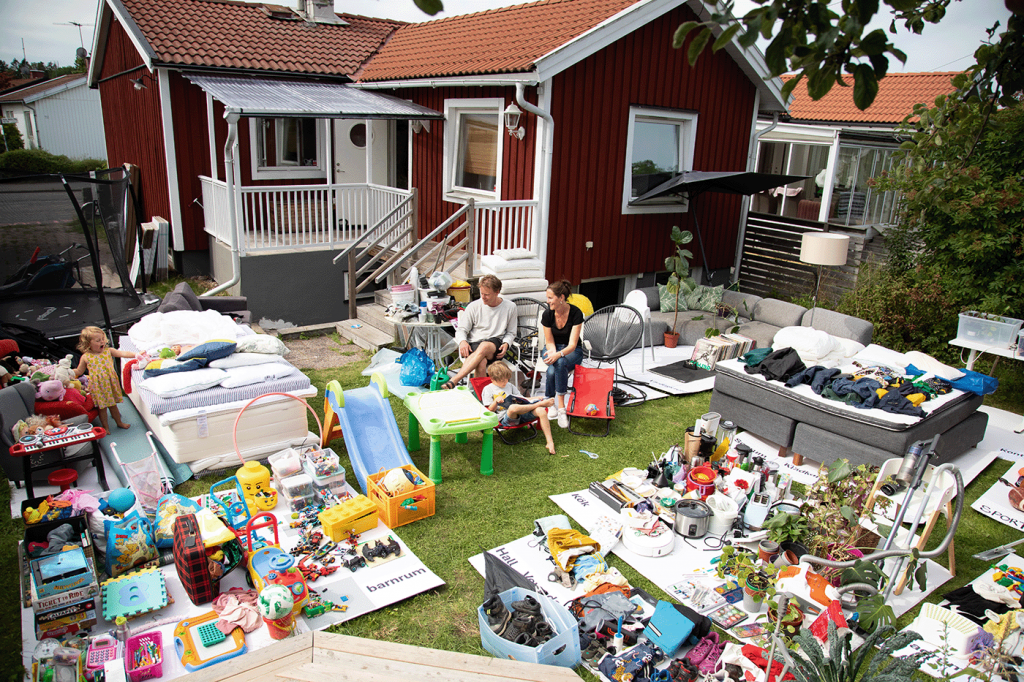
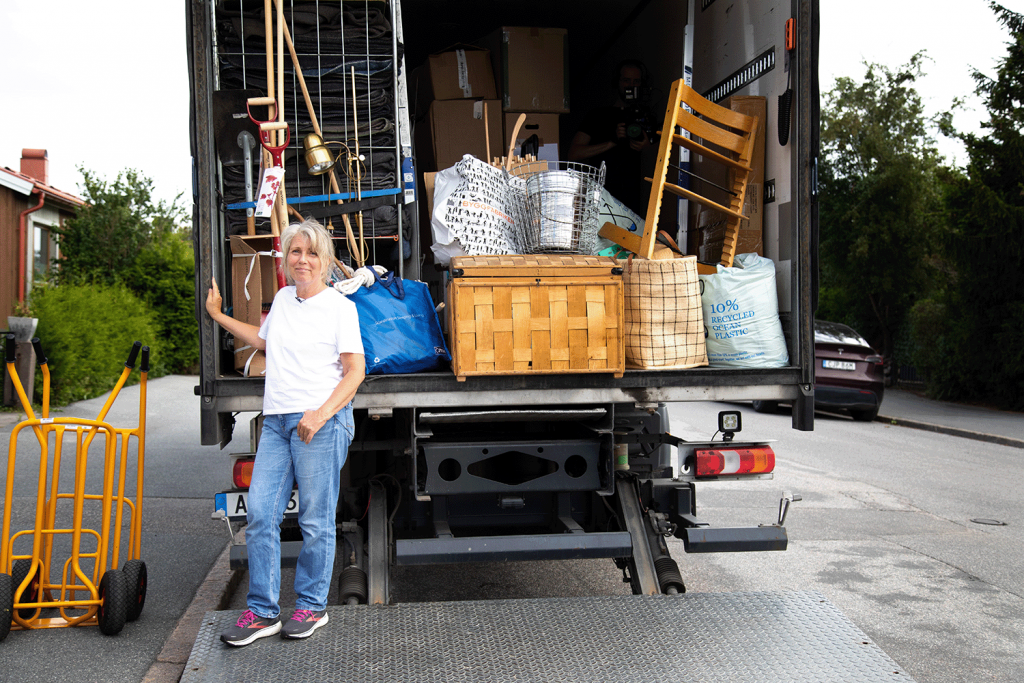
The REDUCE team at KTH in Sweden has cleared the home of a family of plastic and replaced every item we could with plastic-free alternatives. For one month, the family then attempted to live entirely without plastic while we documented the experiment through interviews, film, and diary entries.

How did they manage—and is a plastic-free everyday life even possible?
More on the results will be shared soon, so stay tuned.

Photo: Bartosz Wozniak

New article in Arr. idéhistorisk tidsskrift [(Norwegian) Journal of the History og Ideas]

Entitled: Da klær ble av plast. Nylonstrømpenes vekst og fall [When Clothes Became Plastic: The Rise and Fall of Nylon Stockings]

By Tone Rasch, Ingrid Haugsrud, and Kirsi Laitala.

Thin stockings for women were the first clothes made from oil-based fibers in the years immediately following World War II. We have examined how nylon stockings, as industrially produced plastic consumer goods, became part of everyday life and how perceptions of them were shaped and changed during the period from 1950 to 1970 in Norway. From being considered fashion items, they gradually became common consumer goods and are now, in many cases, regarded as disposable products. The value of nylon stockings has declined. At the same time, synthetic fibers have influenced consumer practices. We argue that the history of the rise and fall of nylon stockings in cultural and economic hierarchies during this period helps to understand how plastic became an integral part of our consumer everyday life. This example illustrates how the introduction of synthetic textiles fundamentally changed the use, maintenance, and lifespan of clothing.

Read the full article here.