
We are happy to welcome our new colleague at SIFO, Atle Wehn Hegnes, to the REDUCE research team. Atle will be filling in for Nina as WP2 leader while she is on parental leave from August 2022. He is a sociologist leaving his position as researcher at NIBIO to return to his previous place of work at SIFO. Atle has recently published on a variety of topics i.e. sustainability risks in bioenergy, European urban agriculture, urban food systems and circular bioeconomy. We are looking forward to working with him in REDUCE.
REDUCE was presented to an international audience at the EU Design Days in Brussels June 10th by head of studies Julia Jacoby. The event is an initiative of the ERRIN Design & Creativity Working Group, which aims at promoting design and creativity as tools for innovation. Project leader Marie Hebrok was there as part of a group from the Department of Product Design and the Section for Research and Development at OsloMet. We were excited to be joined by the Research Director of OsloMet Yngve Foss. Marie also participated in a workshop on multi-stakeholder roleplaying for the Green Competences based on the GreenComp report.
Jostein Kandal Sundet, Nenad Pavel, Zacharias Andreadakis, Julia Jacoby, Marie Hebrok, Arild Berg, Yngve Foss.
We are happy to welcome Ayse Kaplan to our team as a PhD Research Fellow. Ayse is arriving from Ankara in August, and will work on WP3 – taking a systemic design approach to the reduction of plastics consumption. She will be employed at the Department for Product Design at OsloMet, but also spend some time at Consumption Research Norway. Ayse has a master’s degree from the Department of Industrial Design at the Middle East Technical University (METU) in Ankara, Turkey. She also worked as a research and teaching assistant for three years in the same department at METU. Her main research interests are Design for Sustainability, sustainable consumption, social innovation, and alternative food networks.
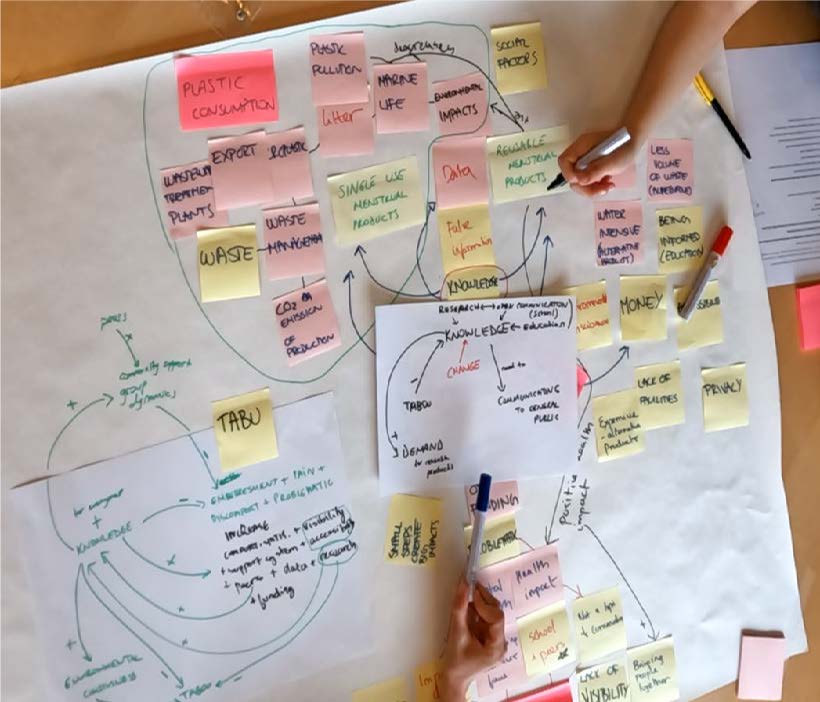
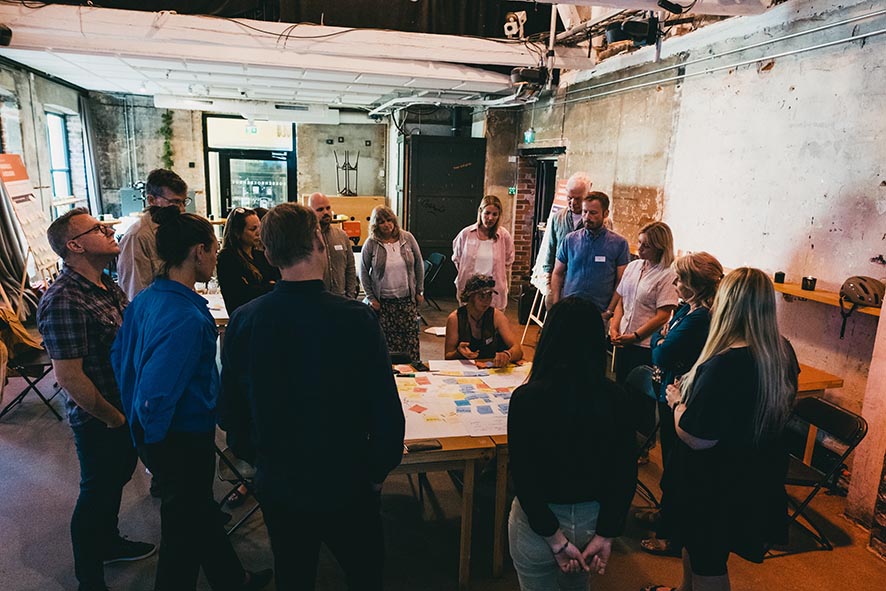
At Kulturhuset in Oslo on April 21st , we met to talk about plastics. Participating in the workshop were the project partners from business and other organizations and OsloMet researchers from SIFO and the Department of Product Design. In particular, we were going to talk about the scope of plastic products in everyday life. What do we surround ourselves with every day, which is not packaging, but still made of plastic? What role do these products play in our lives? What is visible and invisible plastic? Where does plastic make sense and where is it superfluous? What political processes and ways of talking about plastic affect consumption? And how would we do without plastic? These questions are at the heart of our research project REDUCE.
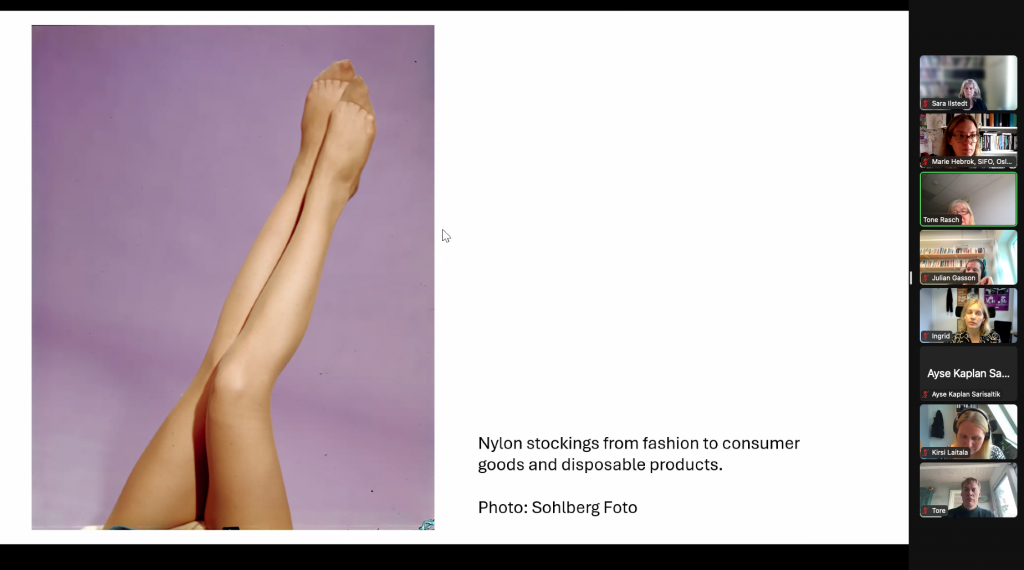
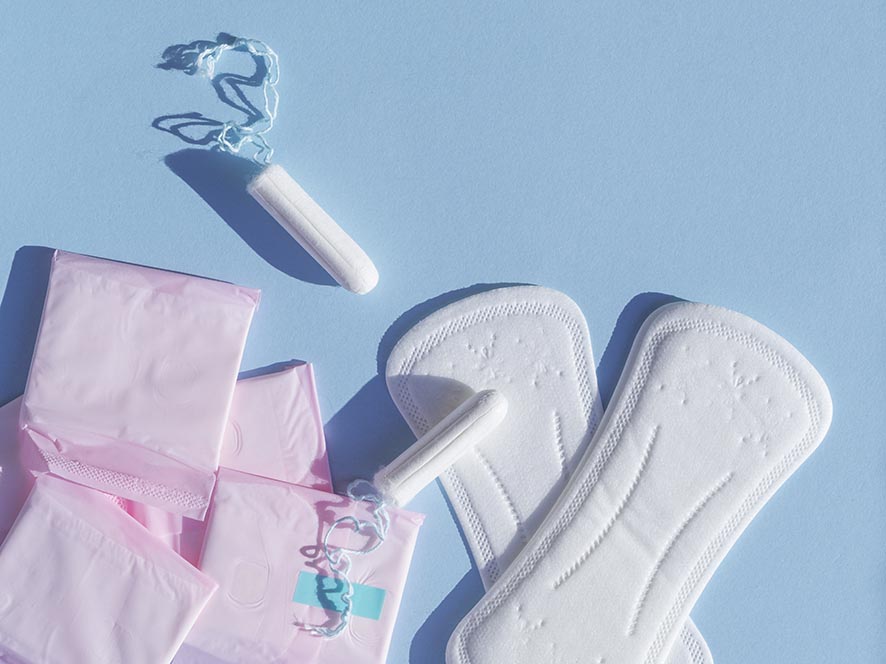
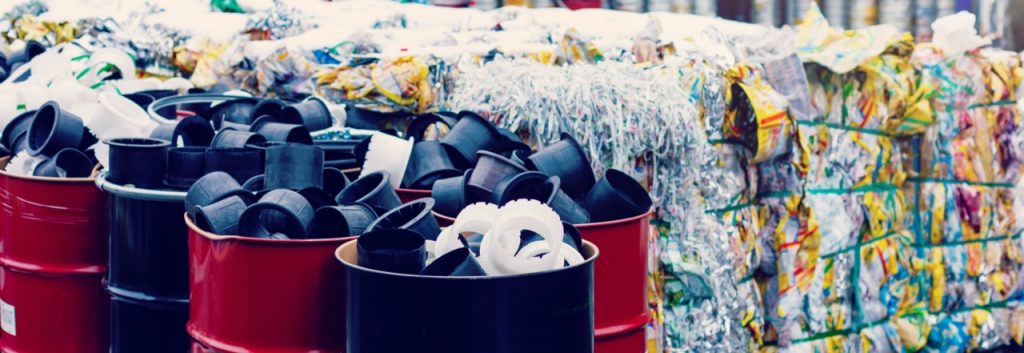
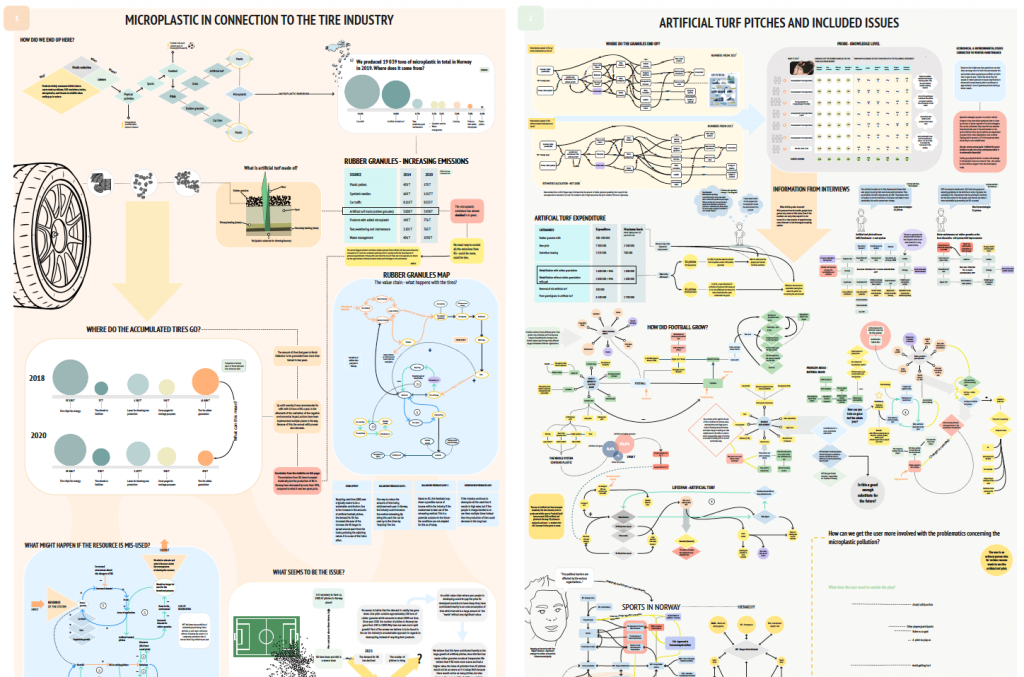
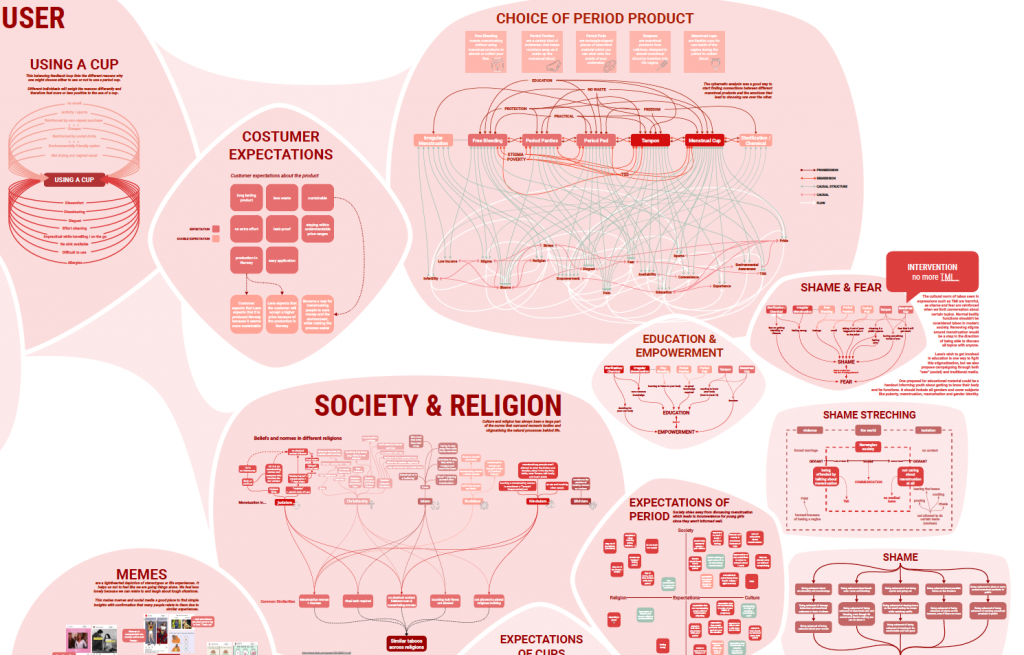
Researchers are now calling for a cap on global plastic production. “It is the only thing that works,” says Martin Wagner at NTNU. We must therefore reduce the amount of plastic that is produced, in order to be able to cope with the environmental and health problems associated with plastic products. If you have followed the plastic theme in the media and in political discussions so far, the impression is probably that plastic is primarily packaging and disposable products, such as straws, bags, q-tips, cups and cutlery – that the plastic problem equals plastic in the sea – and that the solution is recycling. Of course, these products and the environmental problems they cause in the ocean are a huge problem, and a very visible one. In the REDUCE research project, we are concerned with the more invisible plastic, which surrounds us in almost everything we do, but which we do not notice as much, and which does not create as much media attention. There are products that cannot be recycled, such as clothes, toys, various sports and children’s equipment and menstrual products. The large amount of plastic in these products leads to problems with micro-plastics, leakage of chemicals, large amounts of waste and associated greenhouse gas emissions. Emissions are constantly increasing because low value and short lifespans lead to overproduction and overconsumption. The bottom line: we need to find better ways to use plastic.
We look at plastic consumption as built into today’s consumption system – and reducing plastic as a systemic design challenge. Therefore, we are more concerned with the preconditions for plastic consumption than we are with consumer power and consumer responsibility. If everything is set up for increased plastic consumption – and the alternatives do not exist or create economic and practical disadvantages – we cannot expect the individual to be the primary driver for change. The change must take place on many levels simultaneously in the system.
This day dedicated to talking about plastics finally gave us the opportunity to be in the same room and get to know each other. There were many interesting conversations during the day that gave us new ideas for collaboration opportunities.
We are looking forward to the continuation.
Here is more on what we talked about during the workshop:
The REDUCE consortium gathered for the first time on Zoom on the 11th of February 2022. We had an inspiring day of listening to and discussing each others perspectives and experiences, and are looking forward to embarking on the numerous tasks of REDUCE. This was our agenda: