
Publications

New publication: Hygiene practices in everyday Life – Exploring the adoption and environmental implications of disposable gloves

his study explores the adoption of disposable gloves beyond healthcare, probing their use and significance in the daily lives of Norwegian consumers. Employing social practice theory, the research investigates the underlying reasons and ways Norwegian consumers incorporate disposable gloves into various practices, and how more sustainable alternatives could be promoted.

In the news

Op-ed in Dagsavisen by REDUCE researchers: “Plastflommen må stoppes” [The plastic flood must be stopped]

It discusses Norway’s national plastic strategy and questions how well it is being implemented in practice. A central focus is the role of municipalities, which both manage waste systems and are themselves significant users of plastic. A study from the REDUCE project (OsloMet and Naturvernforbundet) shows that Norwegian municipalities vary widely in how they address plastic pollution: most focus on littering and cleanup, while fewer take broader steps to reduce plastic use at the source.

Publications

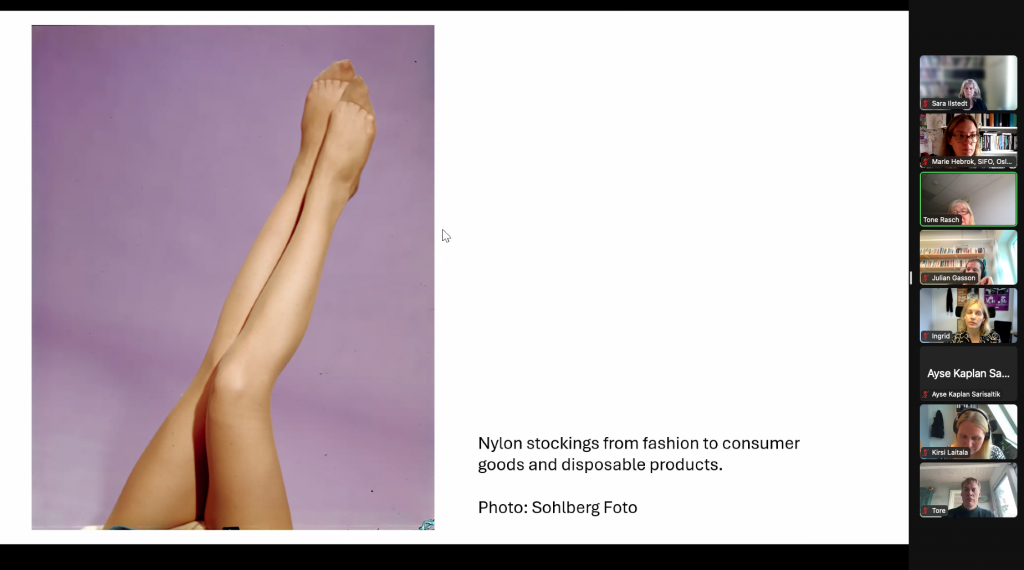
New article in Journal of the History og Ideas: Da klær ble av plast. Nylonstrømpenes vekst og fall [When Clothes Became Plastic: The Rise and Fall of Nylon Stockings]

Thin stockings for women were the first clothes made from oil-based fibers in the years immediately following World War II. We have examined how nylon stockings, as industrially produced plastic consumer goods, became part of everyday life and how perceptions of them were shaped and changed during the period from 1950 to 1970 in Norway.

Events, Newsletters, Workshop

Newsletter 2023/02

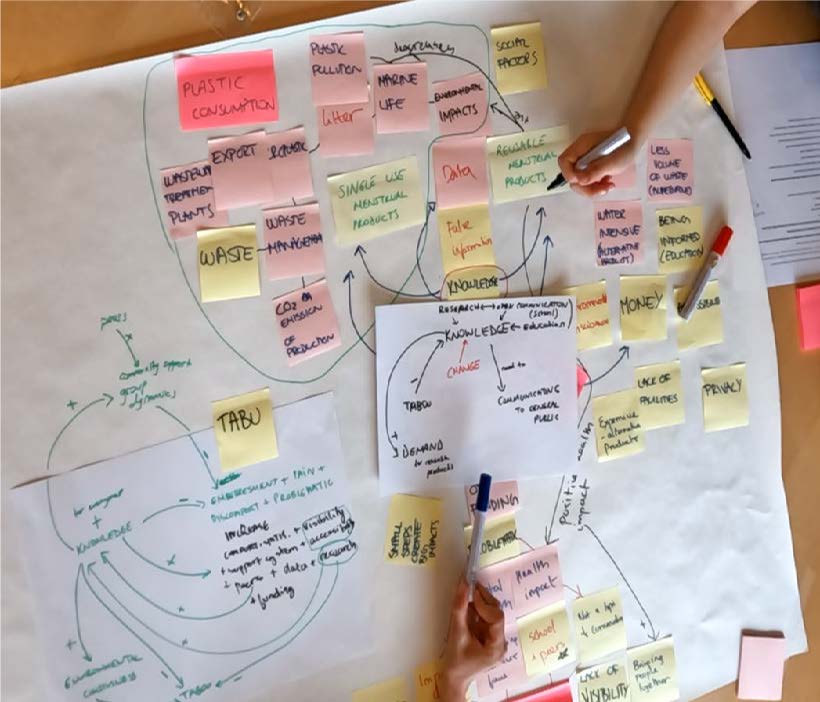
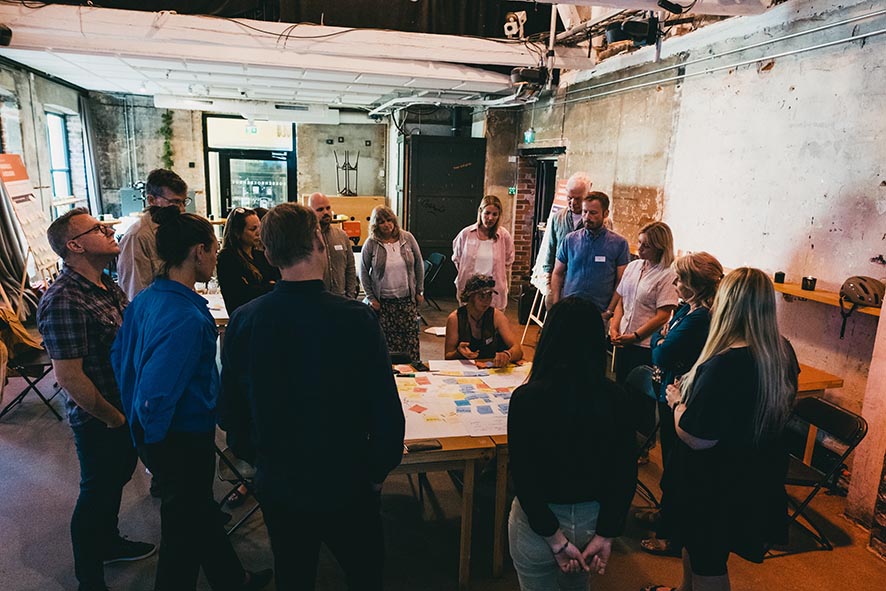
Work is progressing in the REDUCE project, and on June 8th, we had a large gathering with many of the partners where we discussed preliminary findings from the various work packages. We have conducted focus groups with consumers, analyzed how the plastic problem is discussed politically, and developed methods to map the systems in which plastic is involved.

Ukategorisert

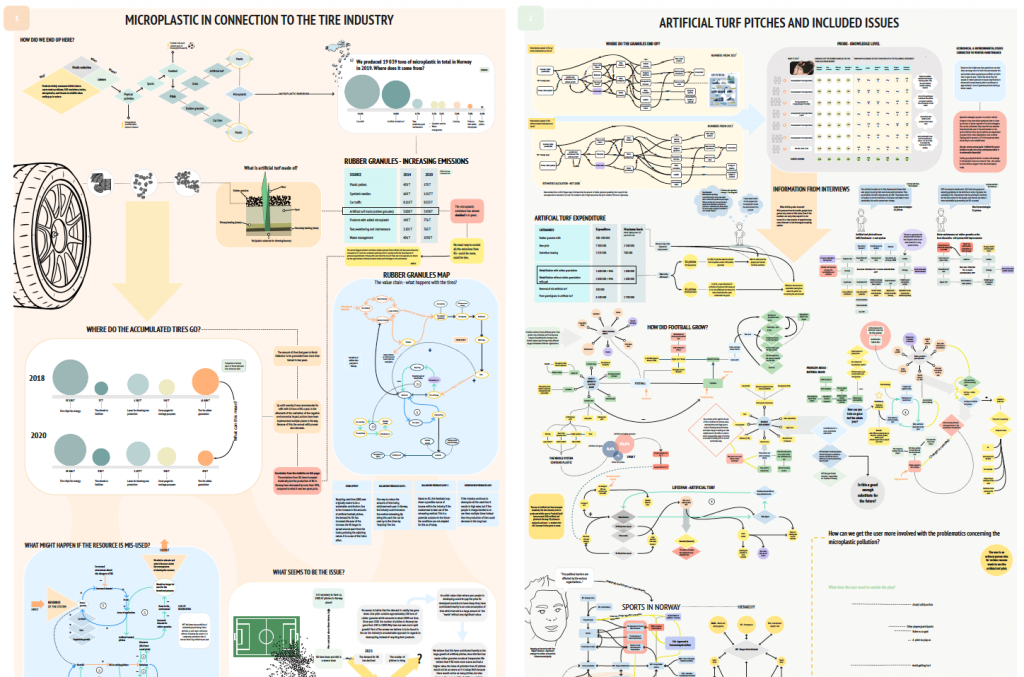
Visualizing complexity in artificial turf and microplastic pollution

In the course Visualizing Complexity, led by Professor Tore Gulden as part of the Master’s programme in Design in Complexity at OsloMet, students explored complex societal challenges through systems-oriented design and GigaMapping. Engaging with the REDUCE project one of the resulting student projects investigates the environmental and societal implications of artificial turf pitches that use recycled tire rubber as infill, revealing the intricate network of actors, materials, policies, and environmental processes involved.

GigaMaps

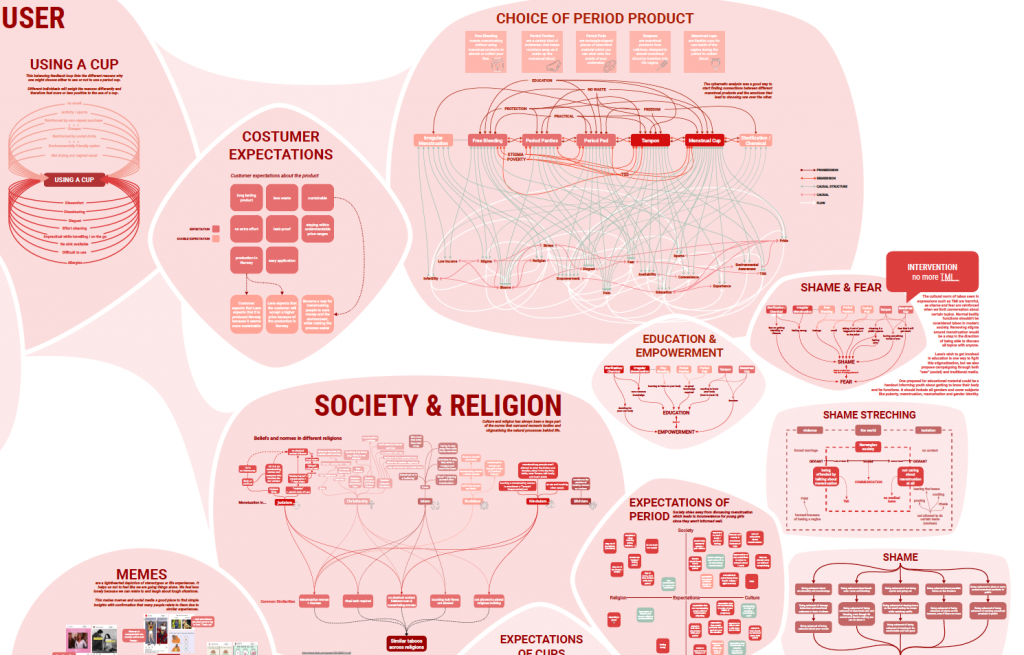
Visualizing Complexity: The case of CleanCup

In the course Visualizing Complexity led by Professor Tore Gulden, a part of the masters degree of Design in Complexity at OsloMet, students worked on the case of, and in collaboration with, project partner CleanCup, who manufactures menstrual cups. The result was two GigaMaps that explored the company’s ambitions, challenges, and opportunities from a systems perspective.

Scroll to Top